
First: pick the right type of cover
You’ve got three main pathways in Australia:
- Specialist, standalone jewellery insurance
Purpose-built policies for rings, watches and fine jewellery. Typical features include worldwide cover, accidental loss/damage/theft, “mysterious disappearance”, choice of your own jeweller, agreed value and low/no excess. Australian specialists include Centrestone, Q Report, JewelCover, and Jewelsure. - Add-ons to Home & Contents (portable contents / personal effects)
You specify high-value items and add “portable contents” to cover them away from home (sometimes with time limits or sub-limits). This can be cost-effective but check exclusions and travel limits. - High-net-worth (HNWI) valuables cover via a broker
Policies like Chubb Masterpiece can schedule individual pieces or blanket a collection, with worldwide cover and agreed value options—best suited if you also insure art/collectibles.
Quick explainer: Independent finance guides confirm you can insure jewellery either as a standalone policy or through home & contents with optional portable cover.
What actually matters (a buyer’s checklist)
Tick these off against the Product Disclosure Statement (PDS) and website before you buy:
- Coverage scope: Accidental loss, theft, damage and “mysterious disappearance”? (Many specialists include this; home policies sometimes don’t.)
- Worldwide cover & duration: Is it truly worldwide, and for how long when travelling? (Some home policies limit to 30 days; specialists often cover for 12 months worldwide.)
- Agreed value vs market value: Agreed value pays the insured amount (or more, in some HNWI cases). Chubb
- Your jeweller of choice: Can you repair/replace with your original or preferred jeweller? (Common with specialists.)
- Excess: Is there $0 excess or a low fixed excess? (Specialists sometimes offer $0 or low excess.)
- Sub-limits on home policies: If you stay with home & contents, check item sub-limits and the need to specify high-value pieces.
- Valuations & revaluations: Gold and diamond prices move—ask how often updates are required and whether annual revaluation support is included.
- Travel and “wearing” conditions: Some home add-ons only cover jewellery while worn or in a safe overseas.
- Claims handling & dispute routes: Check the insurer’s process and your access to AFCA if something goes wrong.
Side-by-side snapshot (popular options)
- Centrestone (specialist) — Standalone jewellery policies with worldwide cover, $0 excess positioning, and “preferred jeweller” support.
- Q Report (specialist) — Standalone; stresses worldwide cover and jeweller-of-choice benefits; long-running specialist brand.
- JewelCover (specialist) — Standalone; highlights agreed value, worldwide cover and return to your chosen jeweller; publishes PDS online (underwritten by Chubb).
- Jewelsure (specialist) — Standalone; markets worldwide cover and up to 125% benefit with qualifying valuation.
- Allianz Portable Contents (home add-on) — Optional portable cover; worldwide protection for specified items (check limits/exclusions).
- AAMI Portable Valuables (home add-on) — Covers jewellery away from home; typical time/“being worn or in a safe” conditions apply overseas.
- Chubb Masterpiece (via broker) — HNWI solution for scheduled items/collections with worldwide, flexible and agreed-value options.
Read more A Guide to Australia’s Best Jewellery Insurance Providers
Four common Australian use-cases (and what usually fits)
- New engagement ring (flying to Bali soon)
Pick a specialist standalone for simple worldwide cover, jeweller of choice and low/no excess—less fine-print about travel windows. - You rent and have minimal contents
A specialist can be cleaner than adding a whole contents policy just to cover a ring. - Home owners with a couple of mid-value pieces
If you already have a contents policy, add portable contents and specify each piece—but check sub-limits, excess, and travel limits. - Serious collection (jewellery + watches + art)
Talk to a broker about Chubb Masterpiece for scheduled/blanket cover and agreed value. Chubb - MDTdesign: The Top Celebrity Engagement Rings of 2025 – 10 Standouts, Ranked
If you were to purchase a stunner and JAA winner like this, you would be crazy not to get this insured.
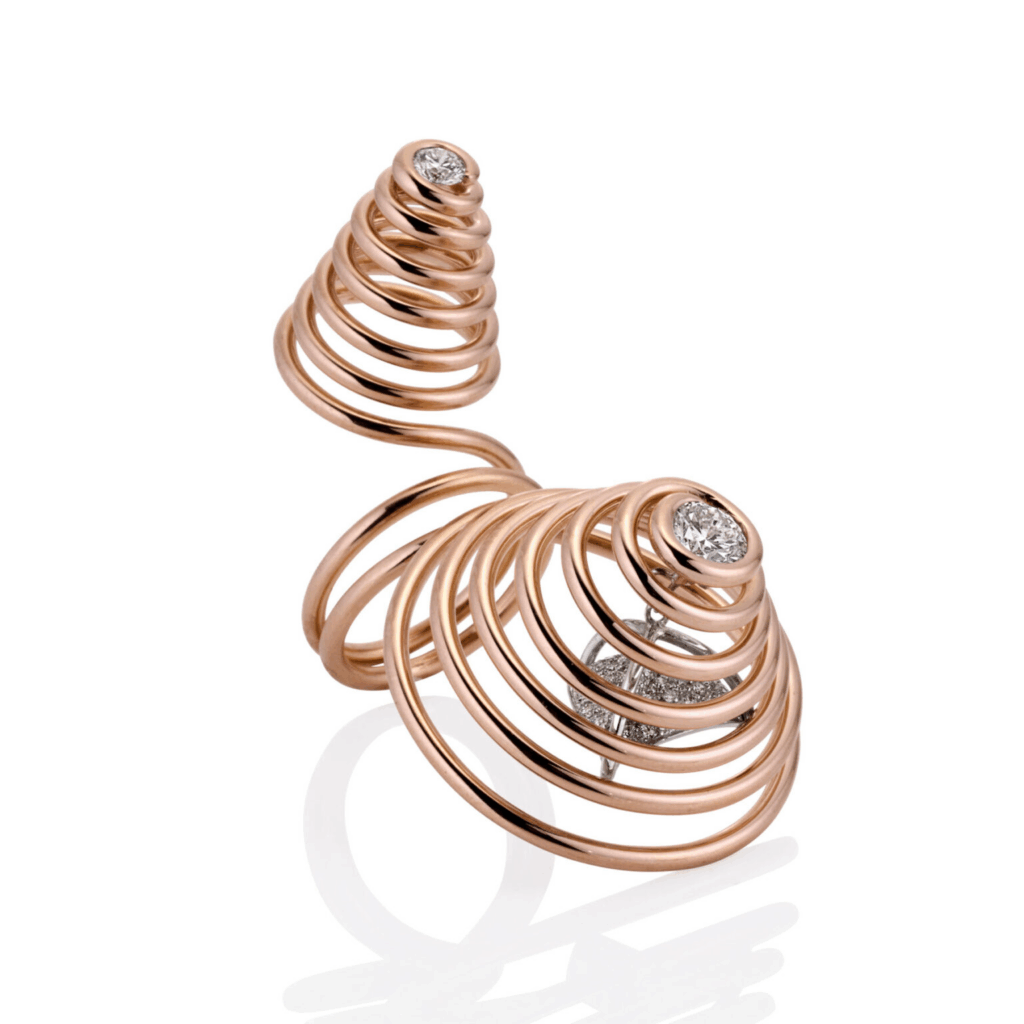
https://medium.com/@mdtdesign464/susta-2025-jaa-jewellery-design-award-winner-e1da048beccb
How to get the right outcome (step-by-step)
- Document value properly
Get a current tax invoice or valuation (expect periodic updates as markets move). - Shortlist 2–3 providers
Compare: worldwide duration, disappearance cover, excess, your-jeweller choice, revaluation policy, and premium. Use each site’s quote tool. - Read the PDS/FAQs for gotchas
Look for time-bound travel cover, unattended-vehicle rules, safe requirements, and any obligation to use a “panel” jeweller. - Check dispute back-stops
Confirm membership and your ability to escalate to AFCA if you hit a dispute.
FAQs (quick hits)
- Is portable contents the same as jewellery insurance?
Not exactly. Portable contents can work, but often has tighter limits/conditions than specialist jewellery policies. - Do I really need “agreed value”?
It removes uncertainty at claim time (and HNWI policies may even pay more in specific scenarios). - Can I always use my own jeweller?
Often with specialists (check the PDS/FAQs). Home insurers may steer you to preferred suppliers.
Bottom line
- If you want simplicity and strong travel/claims features, a specialist standalone policy (Centrestone, Q Report, JewelCover, Jewelsure) is usually the easiest path.
- If you’re optimising total insurance spend and already have contents insurance, specify the ring and add portable cover—but triple-check sub-limits, conditions and excess. Compare the Market
- If you hold a high-value collection, talk to a broker about Chubb Masterpiece. Chubb
- ‘Susta’ wins Diamond Jewellery at the 2025 JAA Australian Jewellery Awards
This guide is general information, not financial advice. Always read the PDS and consider your circumstances. If you have a dispute, AFCA is your escalation path.
Leave a Reply